Steam, Shelf Space and Small Flats: A Practical CBD Storage Plan for British Homes
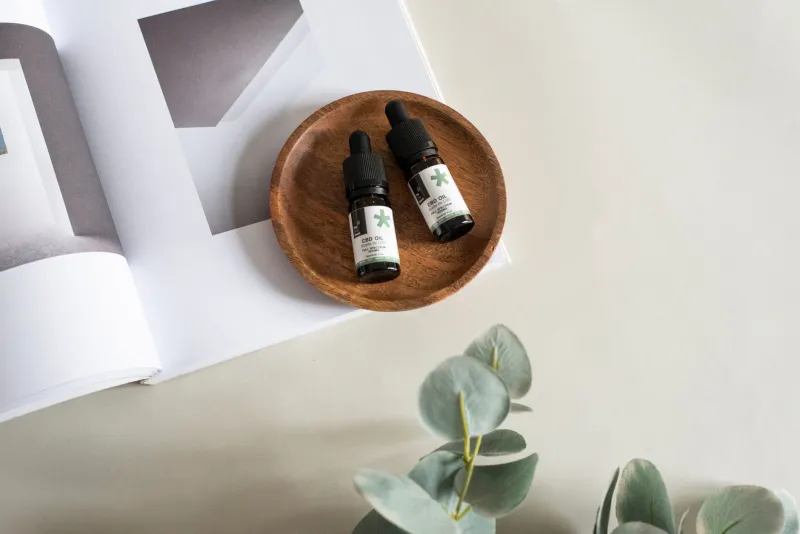
British bathrooms are not designed for delicate cosmetics. They are designed for steam, damp towels, quick showers and, in plenty of flats, a shelf that is also the only place to put anything. That is an awkward combination for CBD oils, balms and creams, which tend to prefer cool, dark, stable conditions.
The good news is that you do not need a laboratory. A sensible storage plan, a little label-reading and a ten-minute shelf audit can make a real difference to how long your products last and how pleasant they feel. CBD is used here as a cosmetic ingredient, not a medicine, so the aim is straightforward: keep the formula in good condition and use it within its shelf life.
Why the bathroom is the worst room in the house
Steam is the obvious problem. A hot shower can push humidity up quickly, and if the extractor fan is weak or the window is painted shut, that moisture hangs around. Water-based creams and lotions are more vulnerable to contamination and texture changes than anhydrous balms, but none of them love repeated temperature swings. Add a radiator, a heated towel rail or a south-facing window and you have light, heat and damp taking turns.
Shared homes add another layer. Products get moved, lids get left off, and a jar that was in a cool cupboard on Monday can end up on a windowsill by Friday. In a flat with limited storage, the bathroom often becomes the default beauty shelf. It is worth challenging that default.
What good storage actually means
Think cool, dark, dry and stable. A bedroom drawer, a hallway cupboard or a kitchen cabinet away from the oven and kettle is usually better than the bathroom shelf. Direct sunlight is a no. So is the shelf above a radiator, the windowsill and the shower caddy. If you keep products in the bathroom because that is where you use them, choose a closed box or drawer, keep it away from the shower zone, and make sure the room is ventilated.
A fridge is not automatically better. Some cosmetics can be kept cool, but only if the label says so. Repeatedly moving a product in and out of the fridge creates condensation, and food smells can migrate. Balms can go grainy or too hard; oils can thicken. If you want to chill a product, keep it in a sealed bag and follow the brand's advice.
Packaging clues worth noticing
Opaque or amber glass, airless pumps and tubes are not just design choices. They limit light and air exposure. A dropper bottle is fine for oils, but keep it upright and close it properly. Tins are good for balms but can let in heat if left near a radiator. A jar that requires fingers is more likely to be contaminated than a pump, especially in a shared bathroom.
Look for the period-after-opening symbol, usually a small open jar with a number and M inside. That tells you how long the product is safe to use once opened. Also check the batch code and expiry date. If you decant into a pretty bottle, you lose that information and add contamination risk. Keep the original packaging where you can.
Texture by texture
CBD oils are usually the most sensitive to light and heat. Store upright, dark and cool, and wipe the dropper rather than touching it to your skin. Balms are more forgiving because they contain little or no water, but they melt and re-set. A balm that has been in a hot bathroom may look grainy or feel different, even if it is not unsafe. Creams and lotions contain water, so they are more prone to separation and microbial growth. Keep them sealed, use clean hands or a pump, and do not add water to stretch them out.
Signs a product has had enough
A change in smell is the clearest warning. Rancid oils smell sharp or stale. Texture changes matter too: splitting, watery pockets, grit, a balm that will not soften, or a cream that has changed colour. Mould is an immediate bin. If a product stings or irritates skin that usually tolerates it, stop using it. Do not try to rescue a separated cream by shaking it or adding oil. If in doubt, throw it out.
A simple shelf audit for flats and shared homes
- Pick a cool, dark spot away from the shower, radiator and window.
- Group products by type so oils do not get lost behind shampoo bottles.
- Write the opened date on the label if it is not already clear.
- Check the period-after-opening symbol and bin anything past it.
- Keep lids closed and droppers upright.
- Use a lidded box if shelf space is shared.
- Keep a small everyday kit in the bathroom and store the rest elsewhere.
- Wipe dropper necks and jar rims with a clean tissue.
- Do not store products on top of the boiler or in a hot airing cupboard.
- Review the shelf once a season, not once a decade.
In a shared house, a labelled box is your friend. It keeps your products together, stops them being used as communal hand cream and makes it easier to carry them to a cooler cupboard. If space is really tight, a single lidded box in a bedroom is better than a beautiful bathroom shelf that cooks everything.
None of this needs to be precious. The aim is not a sterile laboratory; it is simply to give CBD beauty products a fair chance. Cool, dark, dry and labelled will do more for your shelf life than any elaborate routine.