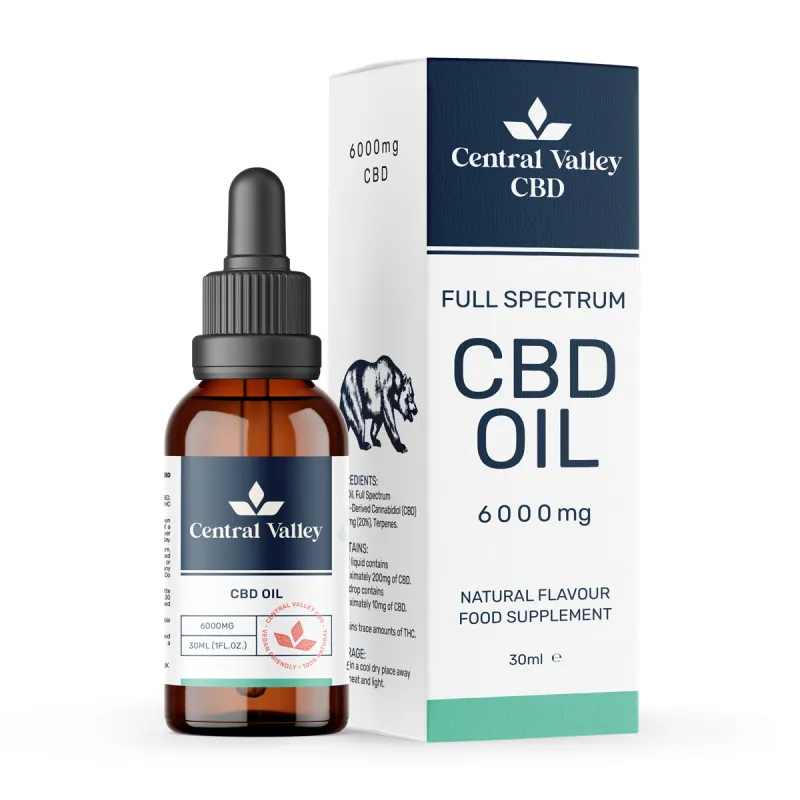
Furred Kettles, Tight Cheeks: A CBD Skincare Strategy for British Tap Water
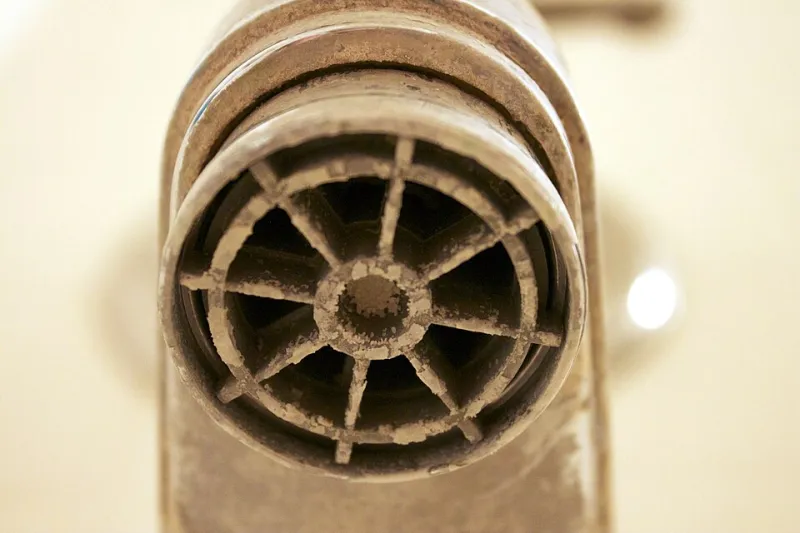
Photo: Bbypnda, CC BY-SA 3.0, via Wikimedia Commons
If you live in a hard-water area, you already know the clues. The kettle looks furred. The shower screen spots. Your face feels tight rather than comfortable after washing, and hair can look dull even when it is clean. None of that is imagined, and none of it is solved by adding more bubbles to your routine.
CBD beauty is not a water softener. It will not change what comes out of the tap. What it can do, as part of a sensible routine, is sit in the supporting cast: helping to make cleansing less stripping, adding emollient comfort, and giving dry-feeling skin a calmer finish. Here is how to build that plan without turning your bathroom into a science lab.
Start with the kettle test, not the marketing aisle
Water hardness varies enormously across Britain. Generally speaking, London, the South East, East Anglia and much of the Midlands sit in the harder bracket. Scotland, Wales, the North West and places like Cornwall tend to be softer, though there are local exceptions. Your water supplier publishes a hardness figure for your postcode, and it is worth a look before you blame your moisturiser for everything.
The kettle test is less official but very British: if it scales quickly, treat your tap water as hard. You cannot soften the supply without a plumbed-in softener, and a cheap shower filter is not a magic wand. What you can do is reduce the amount of residue left on skin and hair, and support the barrier afterwards.
Cleansing: fewer bubbles, longer rinses
Hard water and high-foam cleansers are not a great pairing. The minerals can react with some surfactants and leave a film that feels tight or chalky. Traditional soap bars are often the worst offenders. A low-foam gel, a milky cleanser or a cream-to-oil wash tends to rinse more cleanly and leave less of that squeaky feeling.
Look for gentle surfactants rather than a high CBD percentage on the front of the bottle. CBD is an ingredient, not a cleansing agent. In a rinse-off product it has limited contact time, so do not expect it to undo the effects of a harsh wash. Rinse with lukewarm water for a few seconds longer than feels necessary, and use your hands or a soft cloth rather than a scratchy mitt.
Barrier support: lipids first, CBD second
After cleansing, while skin is still damp, a humectant layer helps. Glycerin is the reliable workhorse here. Then seal it with something containing ceramides, squalane or shea butter. A CBD serum or facial oil can add emollient comfort, but it is not a complete moisturiser on its own. Think of it as a top-up, not a replacement.
If you like a balm, use it on dry patches rather than all over an oily T-zone. And go easy on acids and retinoids while you are adjusting. Hard water plus over-exfoliation is a recipe for stinging. Once or twice weekly is plenty for most people, and less if skin is reactive.
Textures that cope with chalky water
Gel-creams and milky lotions tend to feel better than rich, waxy creams in hard-water areas, especially in summer. In winter, a slightly heavier cream at night is fine, but apply it to damp skin so it spreads and absorbs rather than sitting on the surface. For CBD products, look for simple formulas with a clear base and a sensible amount of CBD — not a novelty number. Patch test anything new, especially leave-on oils.
Be sceptical of products that promise to neutralise hard water. Some chelating ingredients can help in a shampoo, but a face cream is not going to re-plumb your bathroom. The goal is a soft finish, not a chemical reversal.
Hair: the dullness is often residue
Hard water can coat strands with minerals, which makes hair feel rougher and look less shiny. A clarifying or chelating shampoo every couple of weeks can help, but do not use it daily. Follow with a conditioner on the mid-lengths and ends. If you use a CBD scalp oil, keep it to a pre-wash treatment and rinse thoroughly, particularly if you have an oily scalp.
A final rinse with filtered water is a nice extra if you have a filter jug, but it is not essential. What matters more is not over-washing and not piling on heavy products that trap residue.
A simple routine for a hard-water postcode
Morning: rinse with lukewarm water, apply a light moisturiser, then SPF. Evening: low-foam cleanse, CBD serum or oil if you like it, then a barrier cream. Weekly: use a chelating shampoo if hair feels coated. Monthly: assess whether your skin feels tight, flaky or calm — and adjust one product at a time.
CBD will not fix hard water, and it is not a treatment for a skin condition. If you have persistent irritation, see a pharmacist or GP. But as part of a gentler routine, it can be a pleasant, calming addition for British skin that has spent the day dealing with chalky taps and radiator air.